Manufactured sand (M-sand): why shape and washing matter
M-sand is replacing river sand in construction. Its quality depends on particle shape, grading and fines control. Here is what makes a good M-sand plant.
, 1 min read
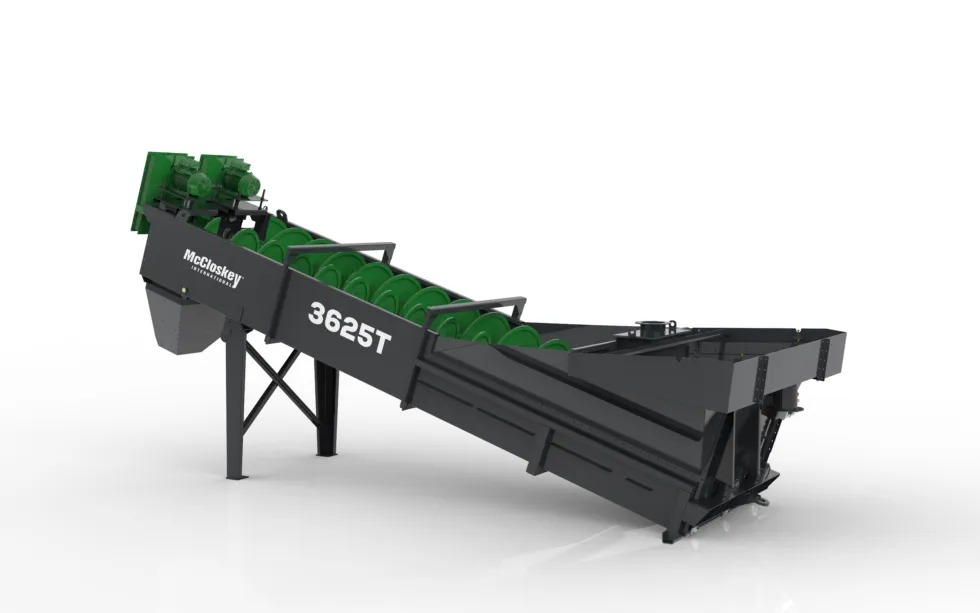
With restrictions on river sand mining, manufactured sand (M-sand) made by crushing rock has become a mainstream material for concrete and plaster in India. Good M-sand can perform as well as natural sand, but only when the plant controls three things: particle shape, grading and fines.
Particle shape
Flaky or elongated particles make concrete harder to work and need more water and cement. Cubical particles pack better. Shape is mainly produced in the final crushing stage, usually a vertical shaft impactor (VSI) or a tertiary cone crusher set up for shaping.
Grading
Sand must have a balanced spread of particle sizes within the limits of the relevant standard (in India, IS 383 for fine aggregate in concrete). Screening separates the sand fraction and returns oversize for re-crushing, so the grading stays consistent.
Fines and washing
Crushing creates very fine dust. A controlled amount of fines can help, but too much raises water demand and affects strength. Washing removes excess clay and micro-fines:
- Sand screws and bucket wheels wash and dewater sand in simple plants
- Hydrocyclones recover fine sand that would otherwise be lost
- Dewatering screens produce a drier, stockpile-ready product
- Water recycling and thickeners reduce fresh water use and settling ponds
Dry or wet process?
Dry classification avoids water use and sludge handling and can work well with suitable rock. Wet washing gives the tightest control of clay and fines and is often required for higher-grade concrete sand. The choice depends on the rock, the local market and water availability.
If you are planning an M-sand line or upgrading an existing one, talk to us about crushing, screening and washing options.
Tell us what your project needs
Share your requirement and we will come back with the right equipment, rental terms or a site visit.